


Do Better & Remove Toxic Products Now
Discover how to eliminate harmful products & create a healthier home. Our guidance helps you make informed choices for a safer lifestyle. Synthetic fragrances from perfumes, aerosols & dryer sheets are deadly. Everything you smell gets absorbed into your lungs and into your bloodstream. Bleach, Lysol, Febreze, and makeup are being found in newborn baby’s umbilical cord blood. This must stop now.

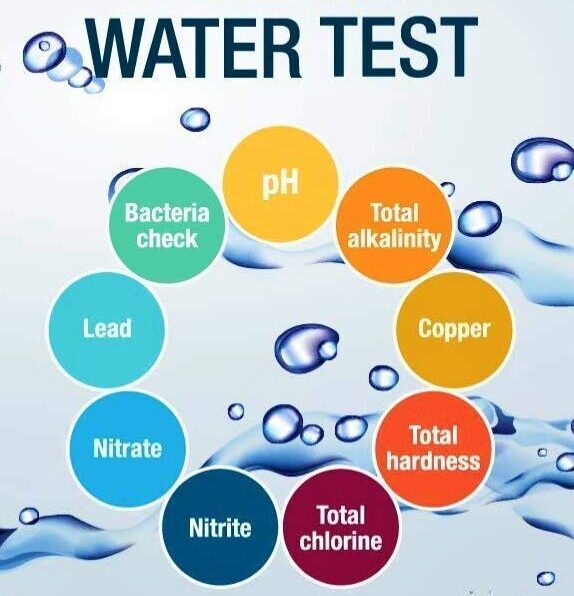
Check Your Area’s Tap Water
Database across the U.S, we found dozens of contaminants at levels that are perfectly legal. The bad news? Scientists say those levels may still pose health risks to us, like cancer. Scan your location here to see results.

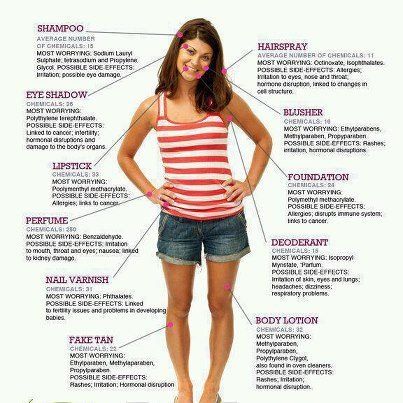
Scan Personal Care Products
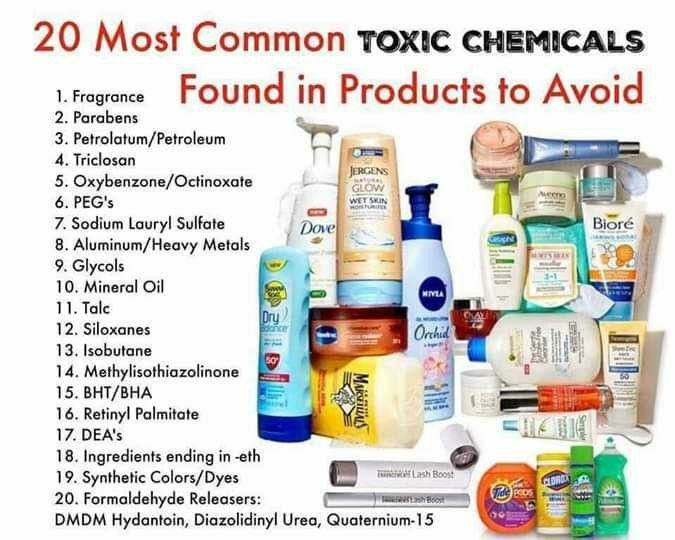
Remove toxic products containing fragrances and chemicals known to cause anxiety, cancer, fatigue, headaches, irritation, and much more. Scan all your cosmetics beauty products and learn what you’re putting on your skin.

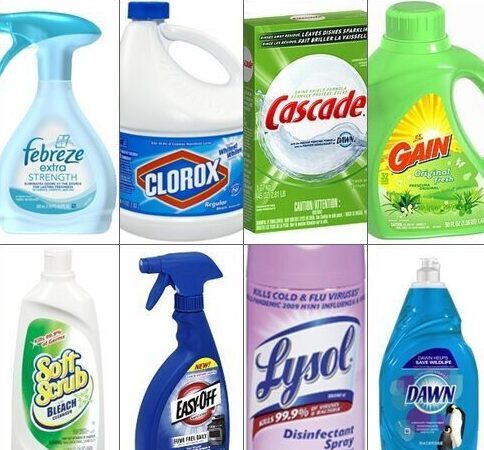
Scan Cleaning Products
Guide to Healthy Cleaning provides you with easy-to-navigate hazard ratings for a wide range of cleaners and ingredients. Baking Soda & Vinegar & Lemons are the safest to use. Avoid chemicals at all costs in your home.
Toxic Commercial Cleaners to Avoid Shown
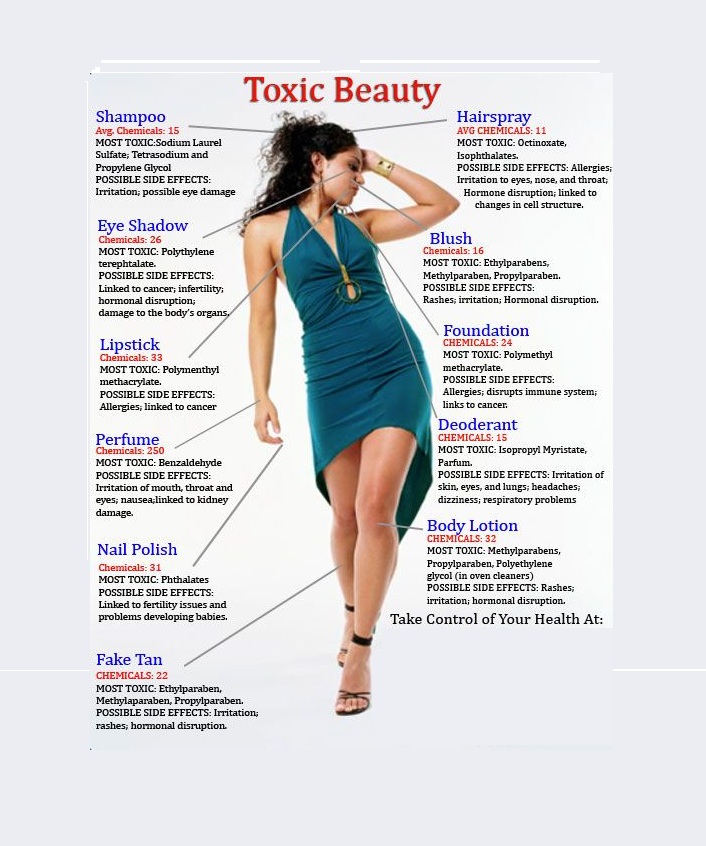
Hygene Beauty Product testing
Check Cosmetics
Scan Now with Skin Deep or Get the App
Since 2004, EWG’s Skin Deep® cosmetic database has helped people protect themselves from potentially toxic chemicals in personal care and beauty products. Everything that touches your skin gets absorbed into your blood stream. You are what you consume. Everything that touches your skin get into your bloodstream. Go natural with no products if possible.
- Reduce Toxic Overload
- Lower Anxiety Levels
- Restore Breathing & Focus
- Allow Skin to Breath Naturally
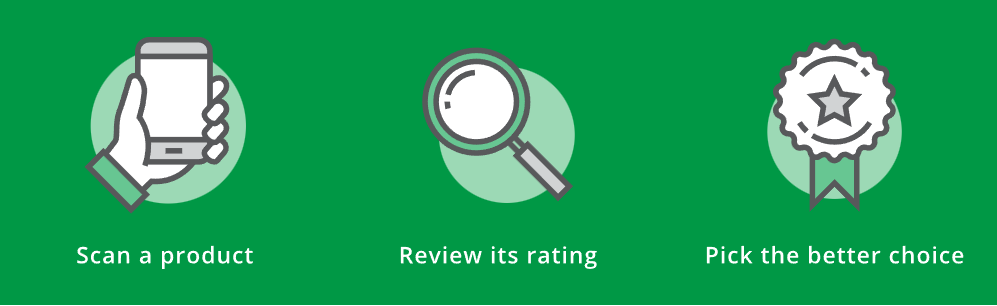
Healthy Living Guides
Ratings for more than 120,000 food and personal care products, now at your fingertips.

Food Cosmetics Sunscreen
Healthy Living App
EWG’s Healthy Living app provides ratings for more than 130,000 food, personal care and cleaning products. Living your healthiest life has never been so easy.

Cell Phones Bluetooth WiFi
Effects of radiofrequency radiation on the nervous system: EWG fact sheet
EWG’s scientists reviewed the most recent research on the effects of radiofrequency radiation. In our fact sheet, we’ve summarized these effects and some of the ways radiofrequency radiation can harm…

Health Toxic Fragrances
Guide to Endocrine Disruptors
Endocrine disruptors are natural or synthetic chemicals that can disrupt the hormone system in many ways – increasing the production of some hormones, decreasing the production of others and…

Cleaning Supplies
Guide to Healthy Cleaning
EWG’s Guide to Healthy Cleaning provides you with easy-to-navigate hazard ratings for a wide range of cleaners and ingredients.

Food Guide – Food Chemicals
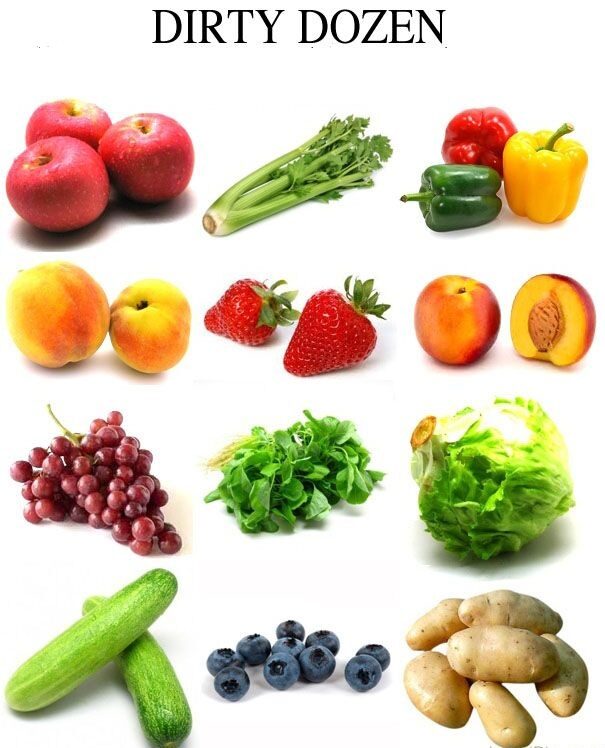
Dirty Dozen Food Chemicals: The top 12 Foods to Avoid
Our food should be nourishing and safe to eat. But more than 10,000 chemicals, some of which are potentially toxic, are allowed in cereal, snacks, meat and many other types of food sold in the U.S.

Cosmetics
Skin Deep® Avoid Sunscreen
Since 2004, EWG’s Skin Deep® cosmetic database has helped people protect themselves from potentially toxic chemicals in personal care and beauty products.
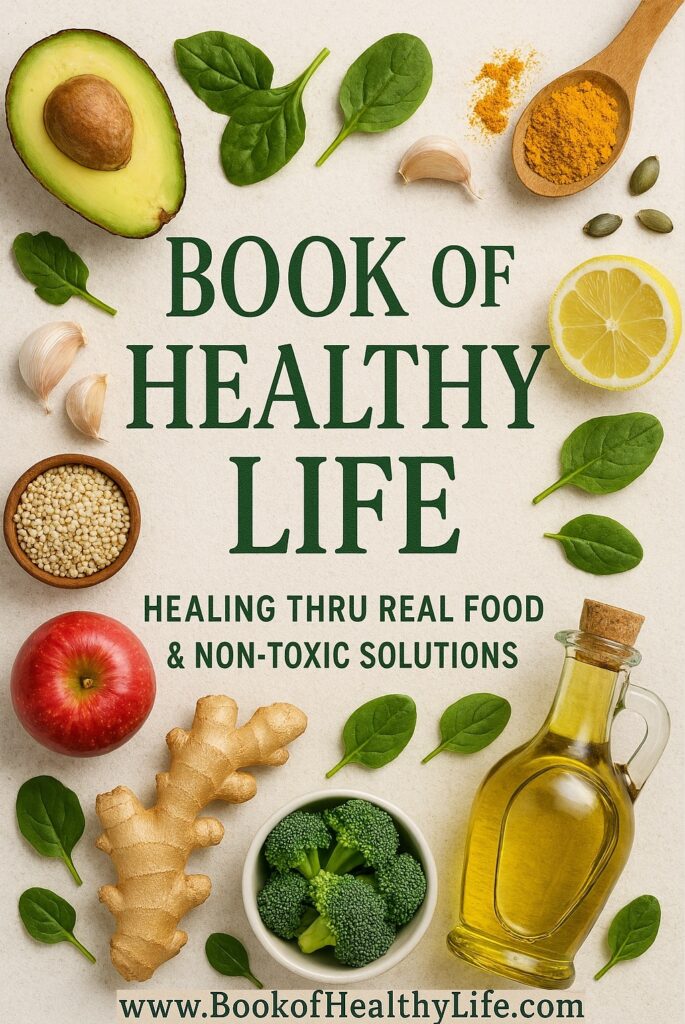
Strengthen Your Body, & Your Immune System.

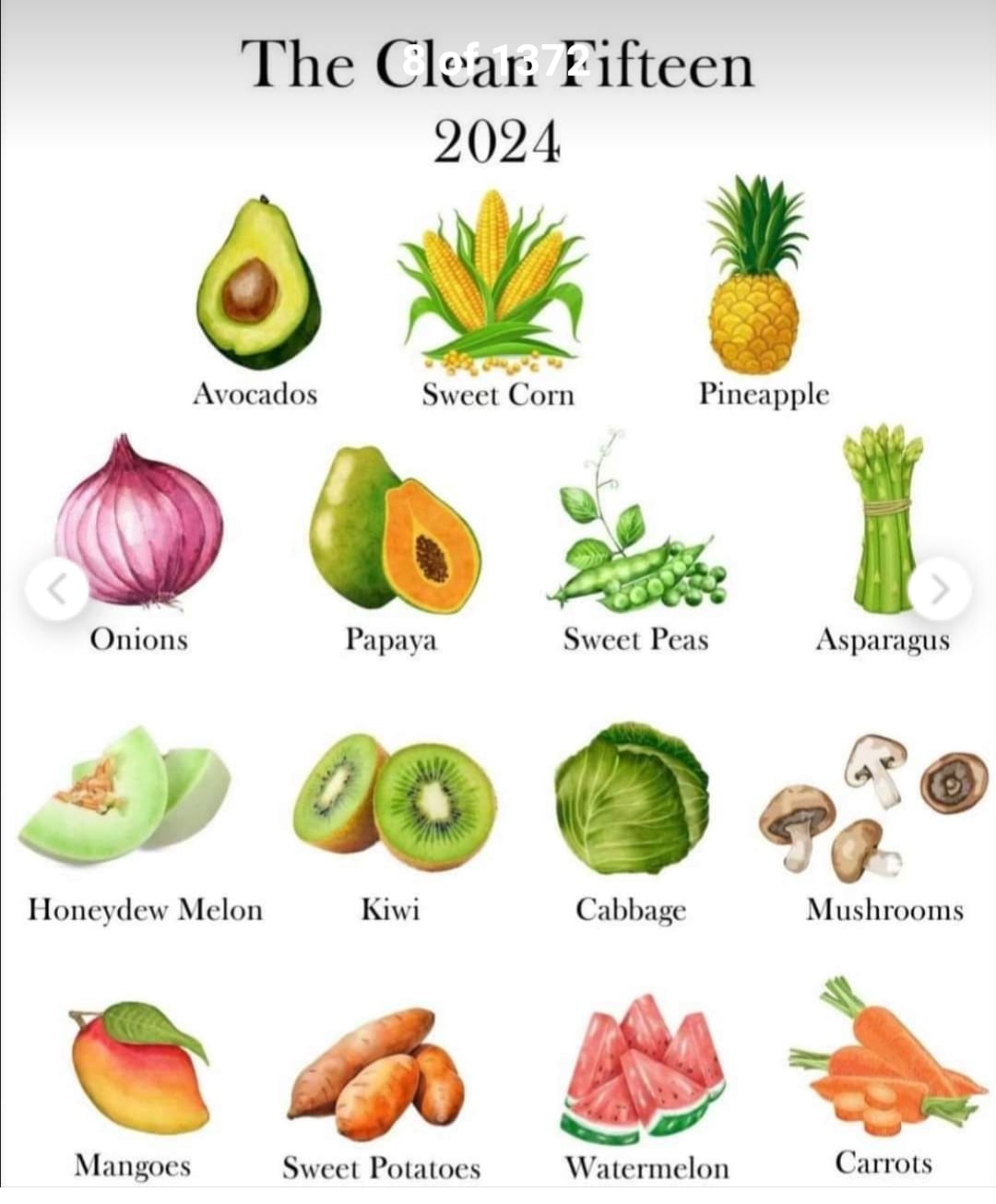
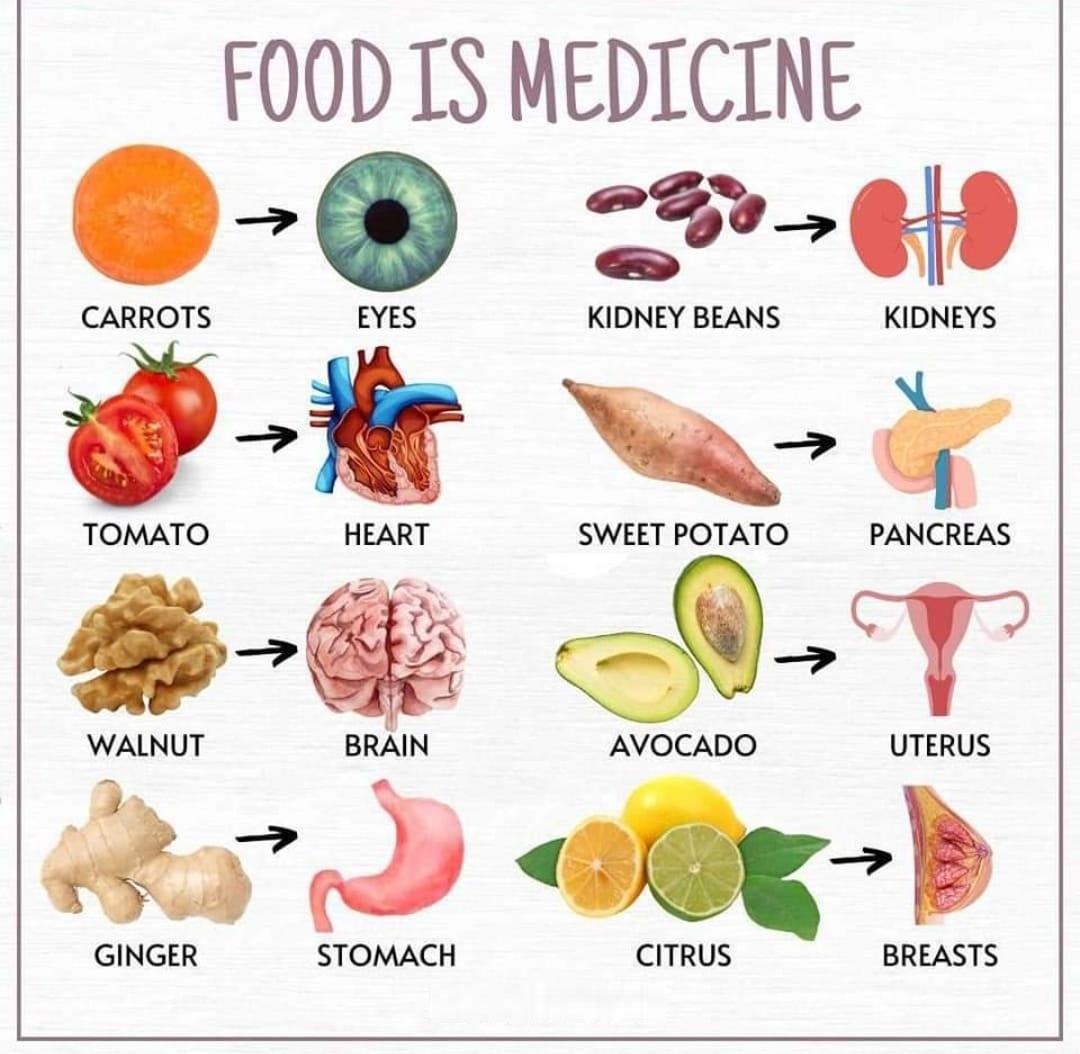
Personal Products
Safe Alternatives to Common Chemicals
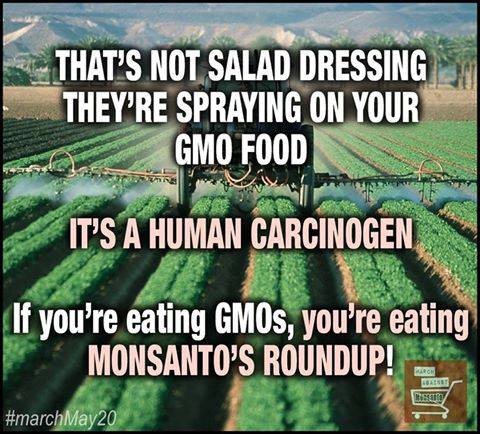
Stop the use of Glyphosate
Consume Organic or Non GMO Only
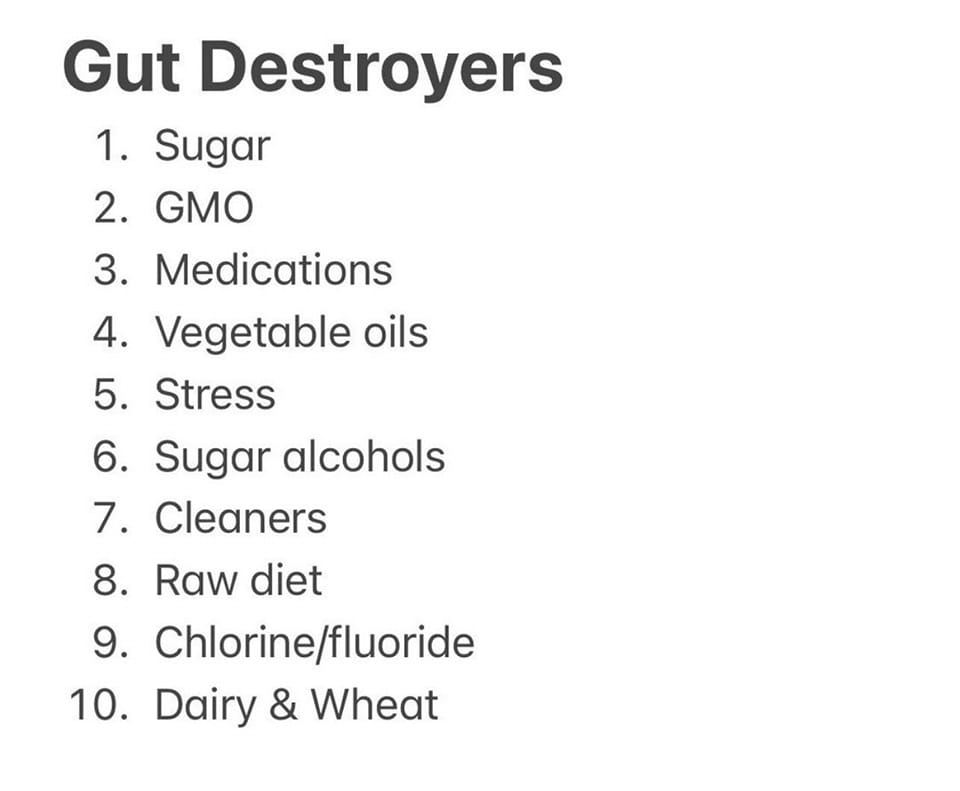
Gut Destroying Foods

Fake GMO Processed Foods full of Glyphosate & Seed Oils
Lormockups
EWG Home Products Guides – SCAN Products Here
- Air Filters
- Carpet
- Caulks, Sealants & Adhesives
- Ceiling Tiles
- Cleaners & Air Fresheners
- Decking
- Drywall
- Energy Efficiency
- Flooring
- Insulation
- Kitchen Cabinets & Countertops
- Lights
- Mattresses
- Paint
- Plumbing & Pipes
- Reducing Household Dust
- Upholstered Furniture
- Ventilation
- Water Efficiency
- Water Filters
- Wood Stains & Finishes
- Nutrition Non-GMO Diet
- Spring Water Pure H2O
- Avoid Synthetic Fragrance & Perfumes Beath Clean Air
- Danger Avoid Cosmetics
- Toxic New Car Smell
- Hidden Dangers in New Car Devices
- No LED Lights
- Organic Foods & Non GMO
- Spring Water Avoid the Tap
- Antibiotic & Hormone Free Meat
- Air Chilled Chicken No Chlorine Bath
- Sleep Dark Signal Free Zone
- Ozempic Harmful Weightloss Drug
- Exercise Be Active Stretch
- Sunlight Daily Vitamin D
- Sleep No Wi-Fi No Light
- Fasting to Reset Immune
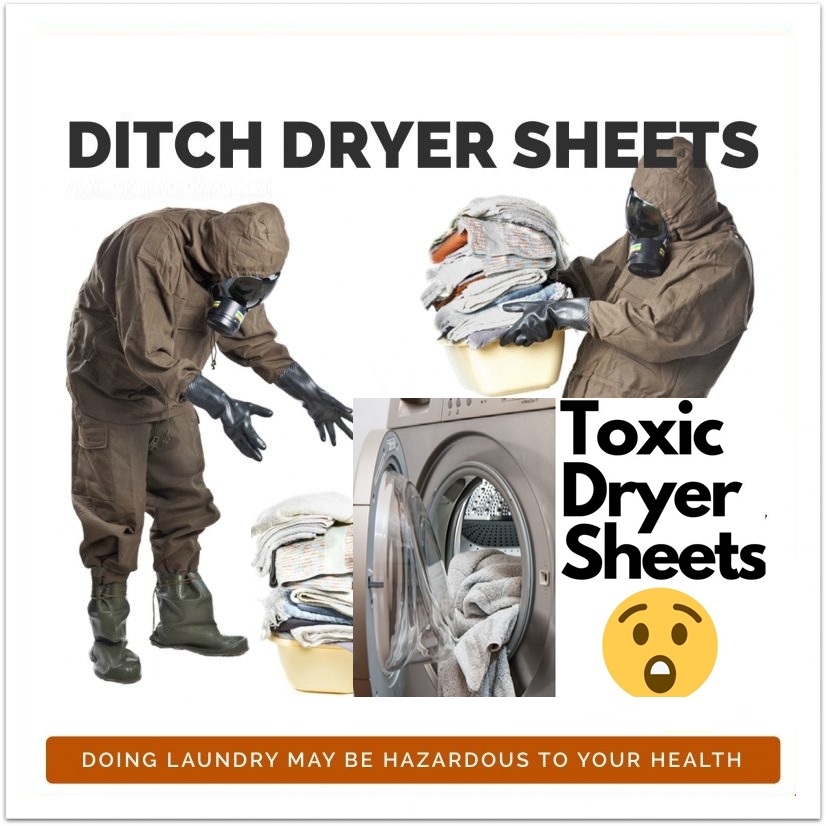
- Eliminating Toxic Fabric Softener & Dryer Sheets
- Healing with Natural Fabric Avoiding Plastic Clothing
- Skincare Harmful Toxins
Healing with Discipline to Improve our Well-Being

Food Awareness
Good Educational resources on understanding food labels and choosing healthier options.

Robert Mathew
Toxin-Free Living
Great guidance on removing toxic products from your home for a healthier lifestyle.

Dr. Adrian Sagman
Empower your health. Discover practical tips and resources to eliminate toxins and embrace a cleaner, safer lifestyle for yourself and your family.

Dan Volf
Author
Book of Healthy Life
Healing Through Real Food & Non-Toxic Solutions
Subtitle Ideas:
- A Guide to Restoring Your Body Naturally
- Simple Changes, Profound Healing
- Your Journey to Wholeness Starts in the Kitchen
Book Outline (Suggested):
Introduction
- Your story or inspiration for writing the book
- The philosophy behind natural healing
- Why now: the importance of detoxifying your life in a toxic world
Part 1: Healing Through Real Food
Chapter 1: You Are What You Eat
- Whole foods vs. processed foods
- Understanding food labels and additives
Chapter 2: The Power of Plants
- Benefits of fruits, vegetables, herbs, and spices
- Anti-inflammatory and immune-boosting foods
Chapter 3: Gut Health = Whole Health
- Probiotics, fermented foods, and digestive healing
- The gut-brain connection
Chapter 4: Food as Medicine
- Healing protocols (e.g., GAPS, anti-inflammatory, autoimmune-friendly diets)
- Recipes and meal plans for detox and restoration
Part 2: Non-Toxic Living
Chapter 5: Detoxing Your Home
- Identifying everyday toxins (cleaners, plastics, fragrances)
- Simple DIY non-toxic home swaps
Chapter 6: Clean Body, Clean Life
- Natural skincare and body products
- Detox baths, oil pulling, and dry brushing
Chapter 7: Air, Water, & Light
- Filtering air and water for optimal health
- Sunlight, grounding, and circadian rhythm support
Part 3: Lifestyle for Longevity
Chapter 8: Movement that Heals
- Gentle movement: yoga, walking, rebounding
- Lymphatic support and strength training
Chapter 9: Rest and Rhythm
- Importance of deep sleep
- Tools for stress reduction and nervous system regulation
Chapter 10: Mindset & Emotional Healing
- Emotional roots of physical illness
- Journaling, breathwork, and emotional release techniques
Conclusion: The Healthy Life Path
- Creating a sustainable plan
- Progress over perfection
- Encouragement for the journey ahead
Bonus Content Ideas:
Resource guide (books, websites, documentaries)
30-Day Food Reset Challenge
Printable grocery and toxin-free product lists
Interviews with holistic practitioners or success stories
Frequently Asked Questions?
View our Facebook posts to see more content.
Where can I scan cosmetic product for toxins?
Where can I scan my local TAP water?
What is the difference between LED & Incandesce light bulbs?
LED Light bulbs give off a harmful frequency that disrupts our vision. Incandesce Light Bulbs give off heat and heal your eyes instead of harming them. No radio waves coming out of the bulbs like Leds do. Learn More About Toxic LED Lights Click Here
What are the benefits of closing all devices for rest and sleep time?
Give your brain a break from all the signals, Bluetooth, Wi-Fi, and cellular signals going through our head 24/7. Close all lights to develop melatonin a much-needed vitamin your body develops in complete darkness. Sleep during the night wake with the sun to keep your circadian rhythm. Circadian rhythms are your body’s natural 24-hour cycles that regulate sleep, wakefulness, and various physiological processes, influenced primarily by light and darkness.
How do I get back my energy?
Eat only natural foods, surrounding yourself in nature, forest bathing, fresh air, spend time with animals, get vitamin D from the sun daily, get enough relaxed sleep with no devices or signals near you & no lights or running machines, remove all negative thoughts that cause stress, set a specific time to deal with and take care of stressful things, know it will always work out, just keep on going, don’t worry be happy.
What are the Dirty Dozen Fruits and Vegetables?
The top sprayed with pesticides food in the United States. Strawberries, Apples, Kale, Spinach, Grapes, Peaches, Nectarines, Bell Peppers, Cherries, Pears, Tomatoes, Celery, Potatoes, Cucumbers
What are the effects of eating Grains, Glyphosate, Aluminum, & GMOs?
Loss of the will to live eventually. Put only pure natural foods in your body.
Free Information & Apps
Our databases are dedicated to the improvement, and well-being of your health.
Scan Different Products Here
Healing through discipline to Improve our well-being
- Nutrition Non-GMO Diet
- Spring Water Pure H2O
- Fresh Outdoor Clean Air
- Good Attitude No Stress
- Grounding Connect Earth
- Exercise Be Active Stretch
- Sunlight Daily Vitamin D
- Sleep No Wi-Fi No Light
- Fasting to Reset Immune
- Eliminating Toxins
Get Your Guidebook to Healthy Living Now!
==========
This content is substantial enough to become a full book. Rather than organizing it by the order it was written, I would group it into major themes so readers can quickly find information.
BOOK TITLE
The Healthy Life Guide
A Practical Guide to Food, Air, Water, Products, and Daily Habits
TABLE OF CONTENTS
Foreword
Why I Wrote This Book
My Personal Health Journey
The Search for a Cleaner Life
PART I: THE MODERN TOXIC WORLD
Chapter 1: We Live in a Chemical Environment
Chemicals in everyday life
Plastics and off-gassing
Household products
Packaging materials
Indoor air pollution
Chapter 2: The Hidden Danger of New Products
New furniture
Electronics
Extension cords
Plastics
Vehicle interiors
Chapter 3: The Problem With Old Products
Deteriorating foam
Aging vehicles
Carpet breakdown
Dust and particles
Chapter 4: Finding Balance Between Old and New
When products are too new
When products are too old
How to reduce exposure
PART II: AIR QUALITY AND BREATHING
Chapter 5: Everything You Smell Enters Your Body
Perfumes
Colognes
Fabric softeners
Cigarette smoke
Air fresheners
Chapter 6: Indoor Air Pollution
Air conditioning systems
Recycled indoor air
Homes
Offices
Schools
Stores
Chapter 7: Candles, Fragrances, and Oxygen
Religious candle use
Scented products
Indoor combustion
Ventilation
Chapter 8: Industrial Pollution
Chemical plants
Manufacturing emissions
Paper mills
Smog
Living near industrial areas
Case Study:
Bristol, Tennessee/Virginia
Eastman Chemical
Industrial communities
PART III: THE WATER CRISIS
Chapter 9: What’s Really In The Water?
Tap water concerns
Water treatment systems
Rusted pipes
Contaminants
Chapter 10: Famous Water Contamination Events
Flint, Michigan
Red Hill / Pearl Harbor water contamination
Community impacts
Chapter 11: Forever Chemicals
PFAS contamination
Teflon chemicals
Industrial runoff
Chapter 12: Alternative Sources of Hydration
Coconut water
Fruits with high water content
Spring water
Hydration through food
Chapter 13: Hot Water vs Cold Water
Pipe contamination
Sediment concerns
Household water usage
PART IV: FOOD AS MEDICINE
Chapter 14: You Are What You Eat
The flamingo principle
Food becomes body
Energy and appearance
Chapter 15: Foods That Build The Body
Fruits
Vegetables
Nuts
Seeds
Healthy proteins
Chapter 16: Foods That Damage The Body
Ultra-processed foods
Refined sugars
Excess junk food
Artificial ingredients
Chapter 17: The American Diet
Fast food culture
Convenience eating
Bread-heavy diets
Sugar dependence
Chapter 18: Sugar and Addiction
Cravings
Dopamine
Habit loops
Emotional eating
Chapter 19: Cookies, Candy, and Processed Snacks
Easy calories
Replacing meals
Household temptations
Chapter 20: Ice Cream and Comfort Foods
Emotional attachment
Immediate pleasure
Long-term consequences
Chapter 21: Bread, Wheat, and Processed Carbohydrates
Convenience foods
Reliance on bread
Modern eating habits
Chapter 22: Dairy and Inflammation
Personal observations
Dietary elimination experiments
PART V: FOOD OBSERVATION JOURNAL
Chapter 23: What I Noticed After Eating Certain Foods
Cookies
Pizza
Soda
Ice cream
Processed snacks
Chapter 24: Food and Skin Changes
Blackheads
Acne
Skin irritation
Redness
Chapter 25: Food and Joint Discomfort
Knees
Ankles
Wrists
Mobility concerns
Chapter 26: Food and Energy Levels
Fatigue
Alertness
Focus
Recovery
PART VI: HEALTHY FOOD ALTERNATIVES
Chapter 27: Reading Ingredient Labels
Understanding ingredients
Avoiding unnecessary additives
Chapter 28: Oat Milk Comparisons
Oatly
Malk
Ingredient awareness
Chapter 29: Building A Healthy Pantry
Whole foods
Healthy staples
Clean ingredients
Chapter 30: The Healthy Vending Machine
Healthier Snack Ideas
Pistachios
Pumpkin seeds
Almonds
Walnuts
Pecans
Unsweetened dried fruit
Coconut chips
Seaweed snacks
Roasted chickpeas
Healthy jerky
PART VII: HEALTH, HEALING, AND RECOVERY
Chapter 31: Why The Body Doesn’t Heal
Nutrition and recovery
Lifestyle factors
Energy depletion
Chapter 32: Smoking and Delayed Healing
Personal observations
Recovery after quitting
Chapter 33: Supporting The Immune System
Sleep
Nutrition
Exercise
Stress management
Chapter 34: Chronic Illness and Lifestyle
Long-term habits
Daily choices
Prevention mindset
PART VIII: FITNESS AND MOVEMENT
Chapter 35: Exercise Before Breakfast
Blood sugar management
Morning movement
Chapter 36: Daily Exercise
Walking
Strength
Endurance
Consistency
Chapter 37: Sweating and Recovery
Rehydration
Nutrition
Rest
Chapter 38: The Importance of Stretching
Mobility
Injury prevention
Flexibility
PART IX: SUNLIGHT, NATURE, AND GROUNDING
Chapter 39: The Power of Sunlight
Outdoor time
Seasonal changes
Daily exposure
Chapter 40: Nature as Medicine
Hiking
Gardening
Waterways
Forests
Chapter 41: Disconnecting From Technology
Cell phones
Computers
Screen dependence
Chapter 42: The Chained Dog Analogy
Freedom
Attention
Digital addiction
PART X: PERSONAL CARE PRODUCTS
Chapter 43: Deodorants
Natural alternatives
Ingredient awareness
Chapter 44: Soaps and Shampoos
Product selection
Fragrances
Additives
Chapter 45: Cosmetics and Skin Products
Makeup
Lotions
Hair products
Chapter 46: Fragrance-Free Living
Perfumes
Body sprays
Fabric softeners
PART XI: CLOTHING AND HOUSEHOLD EXPOSURES
Chapter 47: Clothing Chemicals
Fabric treatments
Flame retardants
Manufacturing residues
Chapter 48: Toxic Gym Clothing
Synthetics
Sweat exposure
Material choices
Chapter 49: Furniture and Bedding
Foams
Fabrics
Household exposure
Chapter 50: Leather Products
Tanning chemicals
Product treatments
PART XII: CHILDREN AND SCHOOL ENVIRONMENTS
Chapter 51: Air Quality in Schools
Cleaning products
Fragrances
Ventilation
Chapter 52: School Fundraisers and Food
Doughnuts
Cookies
Pizza
Candy
Chapter 53: School Bus and Pickup Line Pollution
Vehicle exhaust
Child exposure
Chapter 54: Creating Healthier Schools
Alternative fundraising ideas
Cleaner environments
PART XIII: BUILDING HEALTHY HABITS
Chapter 55: The 30-Day Challenge
Eliminating processed foods
Whole-food reset
Chapter 56: Daily Discipline
Making difficult choices
Consistency
Chapter 57: Creating Healthy Routines
Morning routine
Evening routine
Weekly planning
Chapter 58: Setting Goals
Daily goals
Monthly goals
Yearly goals
PART XIV: MENTAL STRENGTH AND MINDSET
Chapter 59: Treat Your Body Like a Temple
Self-respect
Intention
Personal responsibility
Chapter 60: Believe You Can Change
Self-improvement
Personal growth
Chapter 61: Staying Young Through Adventure
New experiences
Continuous learning
Curiosity
Chapter 62: Health Is Wealth
Energy
Confidence
Vitality
PART XV: PRACTICAL REFERENCE GUIDE
Chapter 63: Healthy Home Checklist
Air quality
Products
Cleaning supplies
Chapter 64: Healthy Vehicle Checklist
Interior air quality
Filters
Materials
Chapter 65: Healthy Office Checklist
Ventilation
Ergonomics
Product choices
Chapter 66: Healthy Shopping Guide
Food
Household products
Personal care
Chapter 67: Healthy Restaurant Guide
What to order
What to avoid
Chapter 68: Alternative Product Directory
Fragrance-free options
Cleaner products
Healthier food choices
APPENDICES
Appendix A
30-Day Health Challenge Tracker
Appendix B
Food Journal
Appendix C
Symptom Tracking Worksheet
Appendix D
Healthy Grocery Shopping List
Appendix E
Healthy Vending Machine Product List
Appendix F
Healthy Home Inspection Checklist
Appendix G
Sample Letters
School fundraiser letter
School air quality letter
Laundry room notification
Community awareness flyer
Appendix H
Resource Guide
Nutrition references
Environmental health organizations
Further reading
One important publishing note: rather than copying another author’s cover, title design, chapters, or table of contents, it’s better to create an original cover and structure inspired by the topics you care about. That helps avoid copyright and trademark issues while making the book uniquely yours.
===========
The book
Yes. The best way to turn this into a readable book is not to preserve the stream-of-consciousness format. Instead, convert the ideas into organized chapters with clear lessons, personal stories, practical advice, checklists, and action steps.
I would structure the manuscript like this:
THE HEALTHY LIFE GUIDE
A Practical Guide to Food, Water, Air, Products, and Daily Habits
INTRODUCTION
The Wake-Up Call
This book began as a collection of observations. Walking through schools filled with fragrances, sitting inside vehicles with deteriorating materials, feeling the effects of processed foods, and wondering why modern life seems increasingly disconnected from health led me to ask a simple question:
What if many of the things we accept as normal are actually harming our well-being?
This book explores food, air, water, products, habits, and mindset through the lens of living a cleaner, healthier life.
PART I
THE HIDDEN TOXINS OF MODERN LIFE
Chapter 1
The Chemical World Around Us
Nearly every product we bring into our homes is made from materials that did not exist in previous generations. Plastics, synthetic fabrics, adhesives, foams, coatings, and packaging surround us from the moment we wake up until we go to sleep.
Many products have a noticeable smell when new. Furniture, electronics, appliances, car interiors, mattresses, clothing, and household items often release odors that can linger for weeks or months.
The challenge is obvious: newer products may release chemicals, while older products can break down and release dust, fibers, and deteriorating materials.
The goal is not fear. The goal is awareness.
Action Steps
Air out new products when possible.
Keep indoor spaces ventilated.
Replace deteriorating materials.
Balance convenience with long-term health considerations.
Chapter 2
Finding Balance Between Old and New
A brand-new product may release odors for months. An older product may be deteriorating and releasing particles.
My own experience with older vehicles taught me that aging dashboards, foam, carpet, and upholstery can begin breaking down over time.
Health often requires finding a balance rather than assuming old is always better or new is always better.
Chapter 3
What We Breathe Becomes Part of Us
Every day we breathe:
Perfumes
Colognes
Body sprays
Fabric softeners
Dryer sheets
Cigarette smoke
Cleaning chemicals
Air fresheners
Walking through a crowded event can feel like walking through a cloud of mixed chemicals.
At a family gathering I experienced how strong fragrances combined with smoke and scented products created an overwhelming reaction.
This experience led me to ask:
How much attention do we really pay to the quality of the air around us?
PART II
SCHOOLS, HOMES, AND INDOOR ENVIRONMENTS
Chapter 4
Why Indoor Air Quality Matters
Many buildings recycle the same indoor air constantly.
Schools, offices, stores, gyms, and homes often contain a mixture of:
Cleaning products
Fragrances
Building materials
Plastics
Clothing odors
Personal care products
When dozens or hundreds of people share the same space every day, air quality becomes an overlooked health factor.
Chapter 5
Children and Chemical Exposure
A recurring theme throughout this book is concern for children.
Many students spend eight hours a day surrounded by:
Cleaning products
Scented products
Fragrances
Vehicle exhaust
Artificial scents
Parents often focus on nutrition and education but rarely consider air quality inside schools.
Chapter 6
Candles, Fragrances, and Ventilation
For many families, lighting candles is part of cultural or religious tradition.
Experiences with candles inside enclosed homes raised important questions about:
Ventilation
Indoor air quality
Fragrance exposure
Respiratory comfort
Regardless of beliefs, clean air remains important.
PART III
THE FOOD CHAPTERS
Chapter 7
You Are What You Eat
Flamingos are known for their color because of what they consume.
Whether the comparison is literal or symbolic, one lesson remains:
Our bodies are built from what we consistently eat.
Our energy, appearance, digestion, recovery, and long-term health are all influenced by daily food choices.
Chapter 8
The Modern American Diet
Fast food, processed foods, sugary drinks, snacks, breads, and desserts dominate modern diets.
Many people live with:
Low energy
Afternoon crashes
Poor concentration
Weight gain
Constant cravings
These problems often become normal simply because everyone around us experiences them too.
Chapter 9
Sugar: The Habit That Never Stops
Sugar is everywhere.
Cookies. Ice cream. Soft drinks. Desserts. Cereal. Candy.
Many people do not realize how often they consume sugar throughout the day.
What starts as an occasional treat can become a routine habit.
Chapter 10
A House Full of Temptation
If unhealthy food is constantly available, it eventually gets eaten.
A major lesson from my own experience:
It is easier to avoid temptation at the grocery store than it is to fight temptation every day at home.
Remove:
Cookies
Candy
Sugary snacks
Highly processed foods
Replace with:
Fruit
Nuts
Seeds
Vegetables
Healthy proteins
Chapter 11
Reading Ingredient Labels
One of the simplest healthy habits:
Read the ingredients.
Ask:
What is this?
Why is it in the food?
Would I willingly cook with this ingredient at home?
The shorter and simpler the ingredient list, the easier it is to understand what you are eating.
Chapter 12
Foods That Build You Up
Focus on foods that provide:
Protein
Vitamins
Minerals
Fiber
Healthy fats
Examples include:
Fruits
Vegetables
Nuts
Seeds
Eggs
Fish
Quality meats
Chapter 13
Foods That Deplete Energy
Many processed foods provide calories but little nutritional value.
The result can be:
Cravings
Fatigue
Poor recovery
Low motivation
Food should fuel life, not simply satisfy an urge.
PART IV
WATER
Chapter 14
The Search for Clean Water
Water is essential to every function of the body.
Questions explored include:
Water quality
Treatment systems
Infrastructure
Environmental contamination
The goal is not panic. The goal is awareness and informed choices.
Chapter 15
Hydration Through Food
Many fruits contain substantial amounts of water.
Examples include:
Watermelon
Oranges
Grapes
Strawberries
Cucumber
Hydration comes from both beverages and food.
PART V
MOVEMENT, SUNLIGHT, AND NATURE
Chapter 16
The Power of Sunlight
Modern people spend most of their lives indoors.
Regular time outside can support:
Mood
Sleep
Activity
Well-being
Making time for sunlight each day can become one of the simplest health habits.
Chapter 17
Exercise Before Breakfast
Some health experts recommend light exercise before breakfast as part of a healthy routine.
Whether walking, stretching, or exercising, movement is essential.
Chapter 18
Stretch Every Day
Mobility matters.
Daily stretching can help:
Maintain movement
Improve flexibility
Reduce stiffness
Support long-term activity
Chapter 19
Nature Is Medicine
When life becomes overwhelming:
Go outside.
Walk. Hike. Garden. Explore.
Nature often provides the mental reset modern life cannot.
PART VI
MINDSET AND DISCIPLINE
Chapter 20
Treat Your Body Like a Temple
Your health is built one decision at a time.
Each meal. Each habit. Each action.
Discipline isn’t punishment.
Discipline is self-respect.
Chapter 21
Daily Goals, Monthly Goals, Yearly Goals
Success requires planning.
Create:
Daily goals
Weekly targets
Monthly objectives
Annual visions
Small actions create major results.
Chapter 22
The Power of Routine
Good habits become easier when they are repeated consistently.
Healthy living becomes sustainable when it becomes part of your routine.
Chapter 23
Health Is Wealth
True wealth includes:
Energy
Strength
Mobility
Mental clarity
Independence
Without health, most other forms of wealth become difficult to enjoy.
PART VII
MODERN CHALLENGES
Chapter 24
Technology and Disconnection
Modern life revolves around screens.
Many people:
Wake up to phones
Work on computers
Relax with television
Sleep beside devices
Sometimes the best solution is simply disconnecting.
Chapter 25
The Chained Dog Analogy
A dog tied to a chain loses its freedom.
Many people experience a similar attachment to devices.
Health may require reclaiming attention and spending more time present in the real world.
Chapter 26
Staying Young Through Adventure
Try new things.
Learn new skills.
Meet new people.
Explore new places.
Growth creates energy.
Routine without growth creates stagnation.
PART VIII
REFERENCE GUIDE
Chapter 27
Healthy Home Checklist
Chapter 28
Healthy Vehicle Checklist
Chapter 29
Healthy Office Checklist
Chapter 30
Healthy School Checklist
Chapter 31
Healthy Grocery List
Chapter 32
Healthy Product Alternatives
Chapter 33
30-Day Health Challenge
Chapter 34
Daily Health Journal
Chapter 35
Symptom Tracking Log
CONCLUSION
The Choice
Every day we make choices.
We choose what to eat. We choose what to buy. We choose how to spend our time. We choose our habits.
No one can make those choices for us.
The central message of this book is simple:
Pay attention to what you eat, what you drink, what you breathe, what you put on your body, and how you spend your days. Small decisions repeated consistently shape the quality of your life.
Book of Healthy Life
Master Summary Outline
Note: The original content contains a mix of personal experiences, health opinions, observations, and lifestyle recommendations. The outline below organizes each subject individually, even when themes overlap.
Introduction
The Purpose of the Book
Living a healthier, cleaner, more disciplined life
Eliminating unnecessary toxins and unhealthy habits
Becoming aware of what enters the body and environment
Taking responsibility for personal health
The concept: “You Are What You Eat”
Part 1: Creating a Healthy Environment
Chapter 1: Hidden Chemicals in Modern Products
Topics
New plastics releasing fumes
Chemical off-gassing from household products
Electrical cords and electronics
Furniture materials
Household chemical exposure
Key Ideas
New products often release odors and chemicals
Some older products may have fewer fumes
Consumers must balance risks between newer and aging products
Chapter 2: The Dangers of Aging Materials
Topics
Older vehicle interiors
Foam breakdown in dashboards
Carpet deterioration
Dust from aging materials
Personal Experience
Exposure to deteriorating dashboard materials in a vehicle
Concerns about inhaling particles from aging products
Chapter 3: Finding Balance Between Old and New
Topics
Risks of new products
Risks of deteriorating products
Practical decision-making
Reducing total chemical exposure
Part 2: Chemical Exposure in Daily Life
Chapter 4: Schools and Chemical Exposure
Topics
Cleaning chemicals in schools
Scented products in classrooms
Daily exposure of children
Indoor air quality
Discussion Points
Differences between schools and other public facilities
Concerns about cumulative exposure
Chapter 5: National Parks and Chemical-Free Spaces
Topics
National park restrooms
Perceived lack of strong chemical odors
Lessons from nature-based facilities
Chapter 6: Fragrance Overload
Topics
Perfumes
Colognes
Fabric softeners
Body sprays
Cigarette smoke
Personal Story
Family wedding experience
Difficulty breathing around combined scents
Part 3: Food as Fuel
Chapter 7: The Principle of Pure Food
Topics
Natural foods versus processed foods
Choosing simple ingredients
Avoiding artificial substances
Core Message
The cleaner the food source, the better the body’s response
Chapter 8: You Are What You Eat
Topics
Physical appearance and nutrition
Energy levels and diet
Skin health
Long-term dietary effects
Symbolism
Flamingos turning pink from their diet
Humans reflecting what they consume
Chapter 9: Understanding Processed Foods
Topics
Packaged foods
Convenience foods
Fast food
Artificial ingredients
Key Message
Small daily choices accumulate over time
Part 4: Sugar and Its Effects
Chapter 10: The Hidden Cost of Sugar
Topics
Cravings
Dependency
Frequent consumption habits
Personal Observations
Joint discomfort after several days of consuming cookies
Changes in energy levels
Chapter 11: Sugar and Inflammation
Topics
Inflammation
Recovery
Physical discomfort
Skin changes
Chapter 12: Sugar and Food Addiction
Topics
Dopamine rewards
Habit formation
Emotional eating
Cravings
Chapter 13: The Cookie Problem
Topics
Keeping unhealthy snacks at home
Replacing real meals with sweets
Convenience versus nutrition
Chapter 14: Ice Cream, Cravings, and Consequences
Topics
Temporary satisfaction
Long-term discomfort
Habit cycles
Personal Experience
Increased urges and perceived health effects after eating ice cream
Part 5: The Modern American Diet
Chapter 15: The American Energy Roller Coaster
Topics
Burgers
Pizza
Pasta
High-carbohydrate eating patterns
Concerns Discussed
Energy spikes
Afternoon fatigue
Dependence on naps
Chapter 16: The 30-Day Reset Challenge
Topics
Eliminating processed foods
Whole-food eating
Hydration
Structured nutrition
Suggested Foods
Organic fruits
Vegetables
Grass-fed meat
Spring water
Chapter 17: Replacing Junk Food with Real Food
Topics
Making healthier decisions
Meal preparation
Food discipline
Part 6: Food Ingredients and Labels
Chapter 18: If You Can’t Pronounce It
Topics
Ingredient lists
Food labels
Consumer awareness
Highly processed foods
Chapter 19: Understanding Oils and Additives
Example Topic
Oat Milk Comparisons
Oatly
Malk
Discussion
Ingredient differences
Consumer education
Reading labels
Part 7: Healing Through Nutrition
Chapter 20: Supporting the Body’s Recovery
Topics
Healing processes
Nutrient intake
Recovery capacity
Personal Experience
Healing differences before and after quitting smoking
Chapter 21: Immune System Resources
Topics
Nutrient demands
Recovery demands
Supporting overall health
Chapter 22: Feeding Health or Feeding Disease
Topics
Daily choices
Nutritional quality
Long-term outcomes
Part 8: Sunlight, Movement, and Natural Living
Chapter 23: The Importance of Sunlight
Topics
Daily outdoor exposure
Personal well-being
Seasonal changes
Recommendation
Spending time outdoors regularly
Chapter 24: Exercise and Nourishment
Topics
Sweating
Hydration
Recovery meals
Exercise habits
Chapter 25: Treating the Body Like a Temple
Topics
Self-respect
Discipline
Daily choices
Long-term health
Part 9: Discipline and Personal Growth
Chapter 26: Discipline Over Temptation
Topics
Delayed gratification
Self-control
Building habits
Chapter 27: Becoming Wealthy in Health
Topics
Energy as wealth
Confidence
Physical vitality
Concept
Health as a form of richness
Chapter 28: The Monk Mindset
Topics
Sacrifice
Simplicity
Focus
Consistency
Part 10: Goals, Planning, and Success
Chapter 29: Daily, Monthly, and Yearly Goals
Topics
Goal setting
Long-term planning
Progress tracking
Chapter 30: Discipline and Consistency
Topics
Daily effort
Hard work
Persistence
Accountability
Part 11: Environmental and Social Influences
Chapter 31: The Influence of Other People’s Habits
Topics
Social gatherings
Food culture
Smoking
Fragrances
Chapter 32: Food Culture in Modern Society
Topics
Fast food normalization
Consumer habits
Convenience culture
Chapter 33: People Reflect Their Habits
Topics
Appearance
Lifestyle patterns
Health behaviors
Part 12: Technology, Freedom, and Modern Life
Chapter 34: Chained Dogs and Chained Minds
Topics
Phones and distraction
Freedom of attention
Modern dependence
Metaphor
Dogs attached to a chain compared with people attached to phones
Part 13: Nature’s Lessons
Chapter 35: Be Like a Plant
Topics
Filtering out harmful influences
Accepting only beneficial inputs
Growth through purity
Central Lesson
Plants absorb what helps them grow and reject what they do not need
Conclusion
The 35-Day Reflection
Topics
What your body has become from recent habits
Evaluating food choices
Personal responsibility
Long-term commitment to health
Final Message
Every choice matters
Small daily habits become long-term outcomes
Discipline, awareness, and consistency are the foundation of a healthy life
Appendix Ideas
A. Healthy Foods Shopping List
Fruits
Vegetables
Nuts
Seeds
Lean meats
B. Healthy Vending Machine Alternatives
Pistachios
Pumpkin seeds
Almonds
Peanuts
Dried fruit without added sugar
C. Personal Health Journal
Daily meals
Water intake
Exercise tracking
Sunlight exposure
Sleep monitoring
D. 30-Day Health Challenge Tracker
Daily checklist
Progress notes
Energy levels
Symptoms and observations
============
30-Day Health Challenge
Reset Your Habits. Reclaim Your Energy. Build Discipline.
Purpose:
This challenge is designed to help you become more aware of what you eat, drink, breathe, and expose yourself to every day. The goal is not perfection. The goal is awareness, consistency, and creating healthier habits.
The Rules
For 30 days:
✅ Drink water throughout the day
✅ Eat more whole foods
Fruits
Vegetables
Nuts
Seeds
Beans
Lean proteins
✅ Move your body daily
Walk
Stretch
Exercise
Work outdoors
✅ Spend at least 20 minutes outside daily
✅ Sleep 7-9 hours when possible
✅ Read ingredient labels before purchasing food
✅ Track how you feel each day
Reduce or Avoid for 30 Days
Sugary drinks
Candy
Cookies
Doughnuts
Excess fast food
Highly processed snacks
Excessive alcohol
Excessive screen time before bed
Daily Non-Negotiables
Every Day:
Hydration
☐ Drink water throughout the day
Movement
☐ Walk at least 30 minutes
Sunlight
☐ Spend 20+ minutes outdoors
Food
☐ Eat at least:
2 servings of fruit
3 servings of vegetables
Mind
☐ Spend 10 minutes without devices
Body
☐ Stretch for 5-10 minutes
Week 1: Awareness
Goal
Notice your habits without judging yourself.
Tasks
Day 1
Record everything you eat
Record everything you drink
Day 2
Read ingredient labels on everything consumed
Day 3
Remove obvious junk food from your immediate environment
Day 4
Take a 30-minute walk
Day 5
Spend 20 minutes in nature
Day 6
Drink only water and unsweetened beverages
Day 7
Review your first week
Reflection Questions
What surprised you?
What foods are hardest to avoid?
When do cravings occur?
Week 2: Cleanup
Goal
Replace unhealthy choices with healthier alternatives.
Tasks
Day 8 Replace soda with water.
Day 9 Replace chips with nuts or fruit.
Day 10 Eat vegetables with every meal.
Day 11 Go one full day without dessert.
Day 12 Take a walk before breakfast.
Day 13 Prepare one healthy meal yourself.
Day 14 Review your energy level.
Reflection Questions
Are you sleeping better?
Are you craving less sugar?
How is your mood?
Week 3: Discipline
Goal
Create routines that support health.
Tasks
Day 15 Wake up 30 minutes earlier.
Day 16 No food after dinner.
Day 17 Exercise for at least 45 minutes.
Day 18 Spend one hour away from your phone.
Day 19 Create a healthy grocery list.
Day 20 Meal prep for several days.
Day 21 Evaluate your progress.
Reflection Questions
Are healthy choices becoming easier?
What habits are improving?
Week 4: Lifestyle Transformation
Goal
Prove to yourself that consistency works.
Tasks
Day 22 Take a longer outdoor walk or hike.
Day 23 Eliminate processed snacks for the day.
Day 24 Add an extra serving of vegetables.
Day 25 Spend two hours device-free.
Day 26 Write your long-term health goals.
Day 27 Teach someone one healthy habit you’ve learned.
Day 28 Review your food journal.
Day 29 Write a letter to your future self about your health.
Day 30 Evaluate your challenge and celebrate completion.
Daily Tracking Page
Day ___
Water: ☐☐☐☐☐☐☐☐
Fruit: ☐ Yes ☐ No
Vegetables: ☐ Yes ☐ No
Exercise: ☐ Yes ☐ No
Outdoor Time: ☐ Yes ☐ No
Stretching: ☐ Yes ☐ No
Sleep: ___ Hours
Energy Level: 1 2 3 4 5 6 7 8 9 10
Mood: 1 2 3 4 5 6 7 8 9 10
Notes:
End-of-Challenge Review
Physical Changes
Energy:
Sleep:
Weight:
Exercise:
Mental Changes
Focus:
Motivation:
Stress:
Habits Kept
☐ Drinking more water
☐ Walking daily
☐ Eating more fruits
☐ Eating more vegetables
☐ Better sleep habits
☐ Less processed food
☐ Less sugar
☐ More outdoor time
Final Challenge
At the end of 30 days, ask yourself:
“What habits made me feel stronger, healthier, and more energetic, and which habits made me feel worse?”
Keep the habits that improved your life and continue building on them one day at a time.
==========
Simple 30-Day Health Challenge Meal Plan
This meal plan follows the themes in your book: whole foods, simple ingredients, fewer processed foods, daily hydration, fruits, vegetables, nuts, seeds, and quality proteins.
General Guidelines
Drink daily:
Water
Coconut water (optional)
Unsweetened herbal tea
Eat daily:
Fruit
Vegetables
Healthy protein
Healthy fats from whole foods
Avoid or reduce:
Soda
Candy
Doughnuts
Cookies
Ultra-processed snacks
Excess fast food
Breakfast Options
Option 1
2 eggs
Fresh berries
Apple
Option 2
Banana
Handful of almonds
Coconut water
Option 3
Plain oatmeal
Blueberries
Walnuts
Option 4
Fresh fruit plate
Pumpkin seeds
Option 5
Vegetable omelet
Orange
Lunch Options
Option 1
Grilled chicken
Mixed greens salad
Cucumber
Tomato
Option 2
Grass-fed beef
Steamed vegetables
Sweet potato
Option 3
Turkey lettuce wraps
Carrots
Apple
Option 4
Vegetable soup
Side salad
Option 5
Salmon
Broccoli
Brown rice
Dinner Options
Option 1
Steak
Roasted vegetables
Salad
Option 2
Chicken breast
Green beans
Sweet potato
Option 3
Wild-caught fish
Asparagus
Brown rice
Option 4
Turkey burger without bun
Avocado
Salad
Option 5
Stir-fried vegetables
Lean protein of choice
Healthy Snacks
Choose 1-3 per day.
Pistachios
Almonds
Walnuts
Pecans
Pumpkin seeds
Sunflower seeds
Apple slices
Pears
Blueberries
Strawberries
Carrots
Celery
Cucumber slices
Coconut chips
Hard-boiled eggs
Week 1 Menu
Monday
Breakfast: Eggs and berries
Lunch: Chicken salad
Dinner: Steak and vegetables
Tuesday
Breakfast: Oatmeal and blueberries
Lunch: Salmon and vegetables
Dinner: Turkey burger salad
Wednesday
Breakfast: Banana and almonds
Lunch: Chicken salad
Dinner: Fish and asparagus
Thursday
Breakfast: Fruit plate and seeds
Lunch: Vegetable soup
Dinner: Steak and salad
Friday
Breakfast: Vegetable omelet
Lunch: Turkey wraps
Dinner: Chicken and sweet potato
Saturday
Breakfast: Oatmeal and walnuts
Lunch: Salmon and greens
Dinner: Lean beef and vegetables
Sunday
Breakfast: Eggs and fruit
Lunch: Large salad with protein
Dinner: Fish and vegetables
Grocery List
Fruits
Apples
Bananas
Blueberries
Strawberries
Oranges
Pears
Vegetables
Broccoli
Spinach
Mixed greens
Carrots
Cucumbers
Tomatoes
Asparagus
Green beans
Proteins
Eggs
Chicken breast
Turkey
Fish
Lean beef
Nuts & Seeds
Almonds
Walnuts
Pistachios
Pumpkin seeds
Sunflower seeds
Other
Oatmeal
Brown rice
Sweet potatoes
Coconut water
The 30-Day Rule
Before eating anything, ask:
“Is this food helping build my health, energy, and strength, or is it only satisfying a craving?”
If the answer is unclear, choose the option with fewer ingredients and less processing. That one habit alone can improve most people’s food choices over the 30-day challenge.